Eco-Friendly Approaches: How E-Waste Recycling Services Are Preserving Our Planet
Electronic waste presents serious dangers to the environment, as discarded electronics often contain toxic materials. These toxic materials have the potential to taint soil and water sources, resulting in widespread environmental harm. Electronic waste recycling programs offer an effective remedy. They not only recover valuable resources but also mitigate pollution. Comprehending the operation of these services and their influence on communities is of great importance. The path to successful electronic waste management prompts vital discussions about personal accountability and communal efforts. What steps can be taken next?
Why Electronic Waste Is Harmful to the Planet
Although technology enhances contemporary living, e-waste creates significant environmental threats. Disposed electronic equipment, frequently composed of toxic substances including mercury, lead, and cadmium, can leach toxins into groundwater and soil, posing risks to human health and ecosystems. The accelerating rate of technological innovation results in increased consumer turnover of electronics, intensifying the growing problem of discarded electronic materials.
Landfills, already overwhelmed with refuse, find it difficult to handle the increasing amounts of discarded devices. Burning, an alternative disposal approach, discharges toxic contaminants into the air, worsening overall air quality. Furthermore, inadequate recycling methods can result in the shipment of electronic waste to underdeveloped nations, where workers may break down equipment without proper protective measures, putting themselves at risk of exposure to hazardous materials. This pattern of negligence and mismanagement highlights the critical demand for eco-friendly recycling alternatives that can reduce the damaging impact of electronic waste on the environment.
Understanding E-Waste and Its Significance
Electronic waste, commonly known as e-waste, comprises unwanted electronic equipment such as computers, smartphones, and televisions that are no longer functional or needed. This increasingly prevalent form of waste is important owing to its accelerating volume, propelled by advances in technology and evolving consumer behaviors. As growing numbers of electronics become outdated, the environmental impact intensifies, with toxic materials such as lead, mercury, and cadmium presenting serious hazards to the environment and human well-being.
Addressing e-waste is crucial not only for reducing these dangers but also for acknowledging the precious materials found within it. Precious metals and rare earth elements can be recovered and reused, reducing the need for mining and conserving natural resources. With a thorough understanding of e-waste and its impact, people and organizations alike See details can make educated decisions about disposal and recycling, helping to build a more sustainable world. Effective handling of e-waste is vital for encouraging a circular economy and advancing environmental responsibility.
The Way E-Waste Recycling Functions
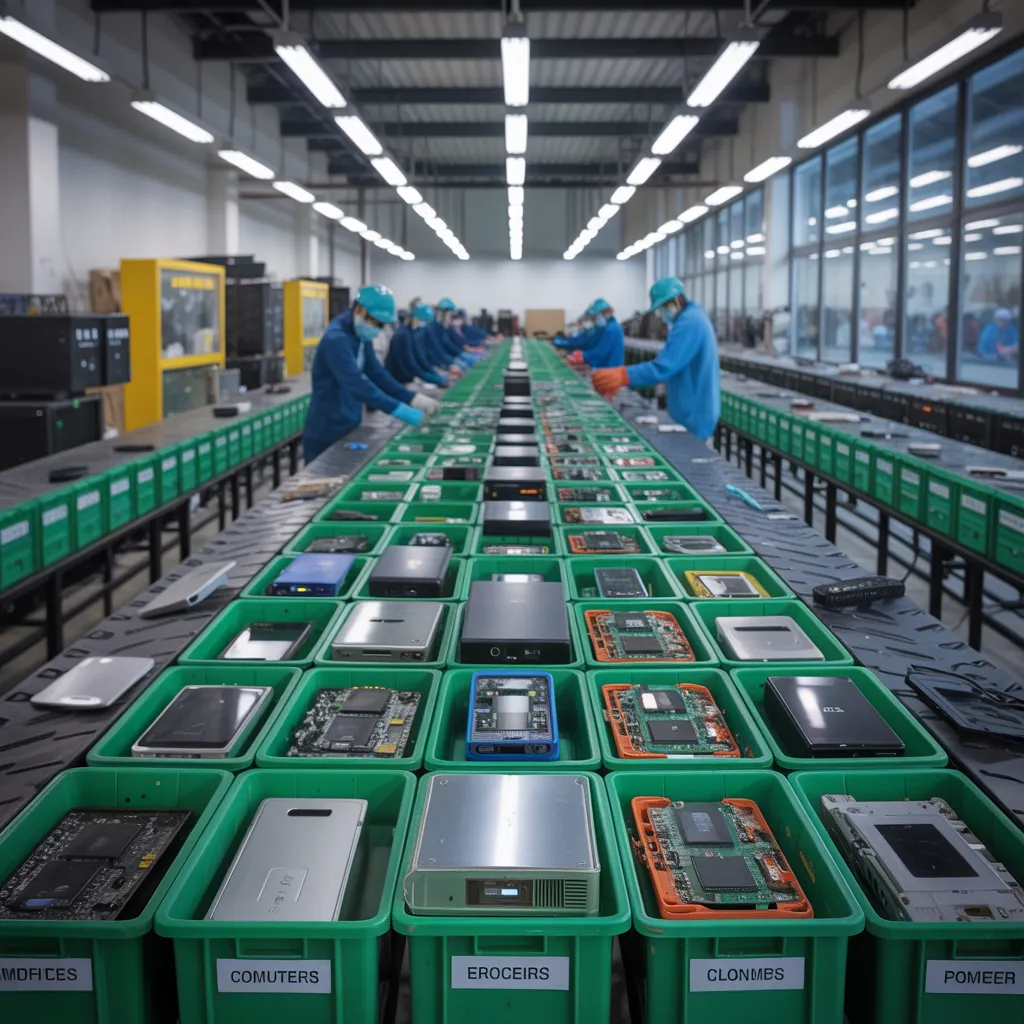
The recycling of e-waste encompasses a structured approach designed to recover valuable materials while reducing harm to the environment. Initially, discarded electronics are retrieved and sent to purpose-built recycling plants. Upon arrival, the devices undergo thorough sorting to isolate dangerous parts from recoverable materials.
Subsequently, specialists dismantle the devices, separating glass, metals, and plastics. This step is critical, as it allows for the retrieval of high-value metals like gold, silver, and copper, which are repurposed in new electronic products.
Afterward, the divided materials are treated with cutting-edge techniques, such as shredding and chemical treatments, to refine them for repurposing.
Finally, the remaining hazardous waste is handled with responsibility, adhering to environmental guidelines. This multi-step approach not only preserves valuable resources but also reduces the dangers connected to unsafe e-waste handling, securing a more eco-conscious future for electronic consumption.
The Benefits of E-Waste Recycling for You and Your Community
While many individuals may not realize it, the positive effects of e-waste recycling go far beyond individual benefit and actively shape entire communities. By carefully processing electronic waste, individuals contribute to a cleaner environment, reducing toxic components that can seep into soil and water. This responsible method helps preserve local ecosystems and supports public health.
Moreover, the recycling of e-waste encourages the creation of jobs in communities. Regional recycling centers frequently need staff for various operations, from collection to processing, thereby providing employment opportunities within the community. This not only strengthens the regional economy but also fosters community involvement in eco-friendly practices.
Additionally, understanding of e-waste recycling has the potential to generate educational initiatives, equipping residents to pursue greener alternatives. By taking part in e-waste recycling programs, individuals nurture a culture of sustainability, motivating others to join the movement. All things considered, the cumulative impact of these actions can result in a more robust and eco-friendly community.
Tips for Choosing an E-Waste Recycling Service
Selecting the best e-waste recycling service is vital for ensuring that electronic refuse is handled responsibly and sustainably. First, consumers should confirm the service's credentials, such as R2 or e-Stewards, which signify compliance with established benchmarks for responsible recycling methods. Additionally, it is advisable to assess the company's standing by checking reviews and looking for referrals from reliable sources.
Moreover, clarity in the recycling process is essential. A reliable service should provide clear information about the manner in which e-waste is managed and what becomes of the materials. Furthermore, assessing the variety of services available can be advantageous; some companies may provide pickup services or offer incentives for recycling.
Furthermore, being aware of local regulations regarding e-waste disposal can help inform the evaluation process. By prioritizing these factors, individuals can contribute to efficient electronic waste handling while also advancing sustainable environmental efforts.
How You Can Take Part in E-Waste Recycling?
Getting involved with e-waste recycling often starts at the local level, where local recycling facilities frequently offer essential services for proper disposal. Additionally, joining community awareness campaigns can amplify efforts to inform others regarding the importance of responsible e-waste management. These initiatives not only advance environmental sustainability but also foster a collective sense of responsibility toward the environment.
Community Recycling Locations
Numerous local recycling centers serve a vital function in recycling electronic waste, offering communities convenient opportunities to manage electronic waste appropriately. These centers accept a range of electronic equipment, including aging computers, cell phones, and television sets, guaranteeing that dangerous substances are processed safely. Many hubs feature experienced team members who can guide individuals on proper disposal methods, emphasizing the importance of recycling over landfilling. Furthermore, several stations organize planned drop-off gatherings or set collection days, enabling residents to engage without difficulty. Through the use of these community services, community members advance a circular economy, reducing environmental impact and promoting sustainable practices. Connecting with these stations encourages communities to fight e-waste pollution decisively.
Community Awareness Campaigns
Local organizations, schools, and businesses can work together to organize events that support e-waste collection drives. Volunteers can play a pivotal role in promoting knowledge, handing out educational content, and interacting with the surrounding community. By means of these joint initiatives, local inhabitants gain greater awareness and encouragement to properly recycle their e-waste, thereby helping to build a greener and more sustainable tomorrow.
Common Questions and Answers
What Types of Electronics Can Be Recycled?
A wide range of electronics can be recycled, including smartphones, computers, laptops, televisions, printers, and gaming consoles. In addition, ancillary devices such as mice, keyboards, and batteries are also suitable for recycling, promoting sustainable environmental practices.
Are There Fees Involved With E-Waste Recycling?
That's correct, e-waste recycling can include fees, subject to the facility. Some service centers charge fees for collection or processing, while other facilities make services available at no charge, frequently supported by the sale of reclaimed components.
How Do Businesses Gain From E-Waste Recycling?
Companies can take advantage of e-waste recycling by lowering disposal expenses, strengthening their ecological standing, meeting compliance standards, reclaiming useful materials, and possibly earning income through resale, thereby fostering a more environmentally responsible business approach.
What Occurs with Data on Recycled Devices?
Data from refurbished equipment is often completely removed or obliterated during processing. This guarantees sensitive information stays protected, stopping improper access while permitting resources to be reused safely and responsibly across new manufacturing processes.
Is It Possible to Recycle Damaged Electronics?
Absolutely, non-functioning electronics may be recycled. Numerous recycling centers process non-functioning devices, ensuring safe disposal and extraction of valuable materials. This effort helps decrease the environmental footprint while promoting eco-friendly recycling methods to control electrical waste efficiently.